
Courses
These are written the way I wish the subject had been explained to me: the intuition first, then the maths once you can see what it is for, then a worked design carried through to real numbers and a real part you could order. Every one comes out of a problem I have actually had to solve at work, and most have a browser simulator alongside so you can change the numbers and watch what happens.
Explore the courses
Automate simulations with AI
Have AI run tests and sweeps, turn results into clear plots and reports, and design, debug and tune controllers.
Read more and register your interest ↗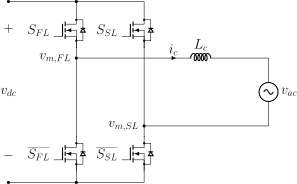
Grid-Connected Bidirectional Single-Phase Inverter
Explanation and comparison of control methods for a grid-connected bidirectional single-phase inverter - current control, power control, Python examples.
39 EUR — 14-day money-back guarantee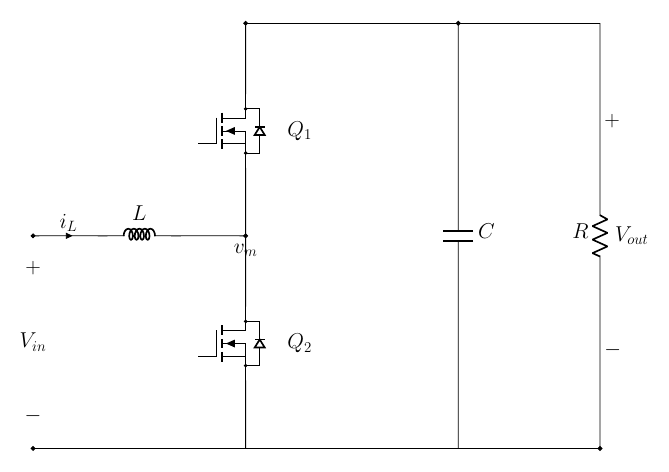
The Boost Converter
How a step-up converter works, and how you control it - a plain-language follow-up to the buck guide. Built from the same parts as a buck, with the input and output swapped.
Free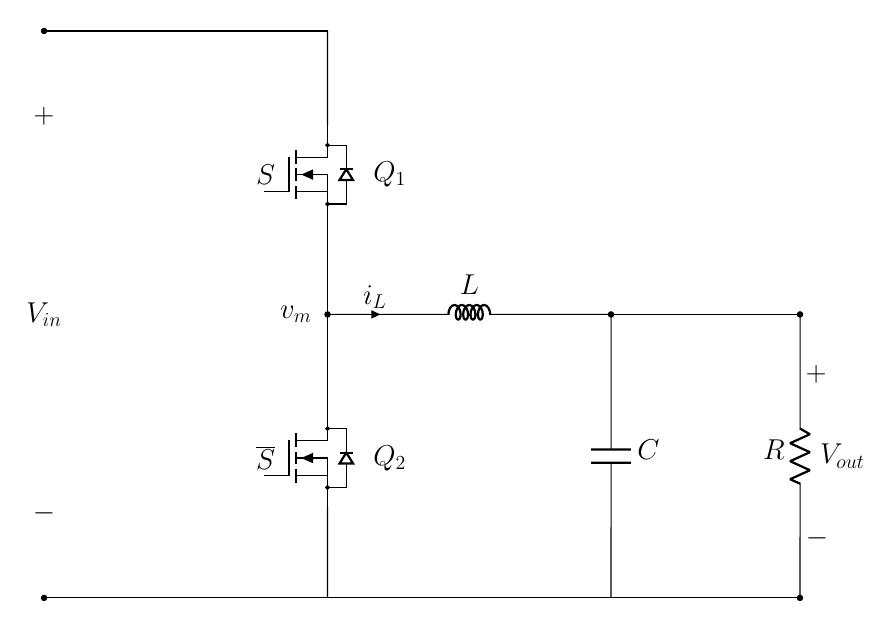
The Buck Converter
How a step-down converter works, and how you control it - a plain-language guide with a companion web simulator. From chopping and averaging, to sizing the inductor and capacitor, to PWM and cascade control.
Free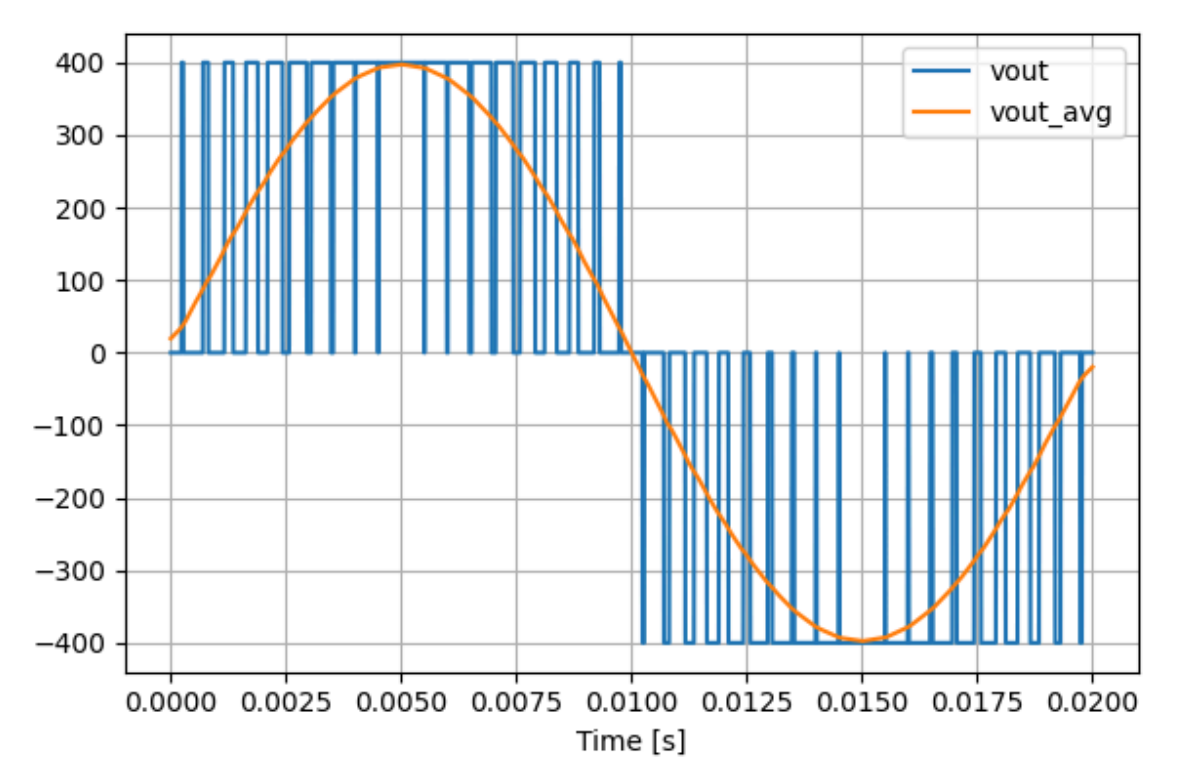
PWM Strategies for Full-Bridge Inverter
Explanation and comparison of three PWM strategies for a full-bridge inverter - bipolar, standard unipolar, and fast-slow leg - with analytical equations and Python examples.
Free The Single-Phase Rectifier
How you turn the AC grid into the DC a battery wants - starting with four diodes and a capacitor, seeing why that draws a spiky current the grid hates, and then building the boost power-factor corrector that draws a clean sine instead.
Free